

Key Takeaways
- Utilizing data analytics can streamline recruitment processes and improve hiring outcomes.
- Artificial Intelligence (AI) enhances candidate experience and reduces bias in hiring.
- Predictive analytics aids in proactive recruitment and workforce planning.
- Data-driven approaches support diversity and inclusion initiatives.
Table of Contents
- Enhancing Candidate Experience with AI
- Leveraging Predictive Analytics for Proactive Recruitment
- Reducing Bias and Improving Diversity
- Streamlining Hiring Processes Through Automation
- Global Talent Sourcing in the Remote Work Era
- Salary Transparency as a Standard Practice
- The Rise of Skill-Based Hiring
- Challenges and Opportunities in Data-Driven Recruitment
- Conclusion
In today’s competitive job market, organizations must continuously find ways to attract and retain top talent. The Hire Standard benchmark report highlights the power of using data analytics to inform recruitment strategies, which can mean the difference between securing high-quality candidates and losing them to competitors. By implementing data-driven strategies, companies can not only optimize their recruitment processes but also build deeper trust with candidates through transparency and personalization.
The adaptation of artificial intelligence (AI) in recruitment processes has introduced remarkable efficiencies. It allows hiring managers to access actionable insights and provides candidates with a smoother, more personalized application experience. Companies are leveraging technology to create more inclusive hiring practices, reduce bias, and proactively plan for future workforce needs. These modern approaches help ensure that recruitment efforts are precise, inclusive, and aligned with organizational goals. More than ever, the ability to gather, analyze, and act on recruitment data empowers employers to respond swiftly to labor market changes, identify skill gaps, and create strategic talent pipelines. As a result, data-driven hiring is quickly becoming the norm among forward-thinking organizations. This strategic shift puts equal emphasis on candidate experience and business outcomes, which is critical in a fast-evolving workplace. Recruiters and HR teams who invest in predictive analytics and automated hiring tools are better equipped to handle the evolving expectations of job seekers. This evolving landscape paves the way for more robust, equitable, and efficient hiring decisions.
Enhancing Candidate Experience with AI
Artificial Intelligence is quickly becoming central to the modern hiring process. AI-powered chatbots engage with job candidates, provide tailored responses to queries, and schedule interviews, making the process faster and far more interactive. These tools also aid recruiters by optimizing job descriptions, ensuring greater accuracy and relevance in the outreach to job seekers. Personalized communications and smarter application flows help reduce candidate drop-off and enhance overall satisfaction. According to Forbes Human Resources Council, leading organizations are increasingly investing in AI to build relationships with candidates before they ever walk in for an interview.
Leveraging Predictive Analytics for Proactive Recruitment
Predictive analytics uses large datasets and sophisticated algorithms to forecast hiring needs and assess the likelihood of candidates’ success within a company. By analyzing existing workforce trends, recruiters can anticipate future talent shortages and identify which roles will become business priorities. This approach allows organizations to develop sustainable talent pipelines and proactively reach out to prospective candidates, rather than reactively addressing gaps as they arise. The use of these predictive tools is especially valuable in high-growth, rapidly evolving industries, as they enable HR teams to stay ahead of competitors and navigate labor market volatility more effectively.
Reducing Bias and Improving Diversity
Data-driven recruitment minimizes unconscious bias by emphasizing objective assessments and measurable skills instead of subjective impressions. AI-driven candidate screening tools evaluate applicants based purely on qualifications and predictive potential. This emphasis on objectivity not only leads to more equitable hiring but also supports broad diversity, equity, and inclusion (DEI) goals. When teams are more diverse, organizations benefit from new perspectives and innovation, which enhance organizational performance. Implementing rigorous, data-backed talent selection protocols reduces the risk of discrimination and increases the likelihood of fostering a sense of belonging within your workforce.
Streamlining Hiring Processes Through Automation
Time-consuming tasks such as resume screening, initial candidate outreach, and interview scheduling are now automated with advanced recruitment software. Automation reduces administrative workloads, shortens hiring cycles, and frees recruiters to focus on relationship-building and strategic workforce planning. Besides expediting the recruitment timeline, it also enhances candidate satisfaction by providing quick feedback and transparent communication throughout the journey. Modern automated platforms further offer analytics dashboards to monitor and optimize each hiring stage, enabling data-driven improvements to the process with every iteration.
Global Talent Sourcing in the Remote Work Era
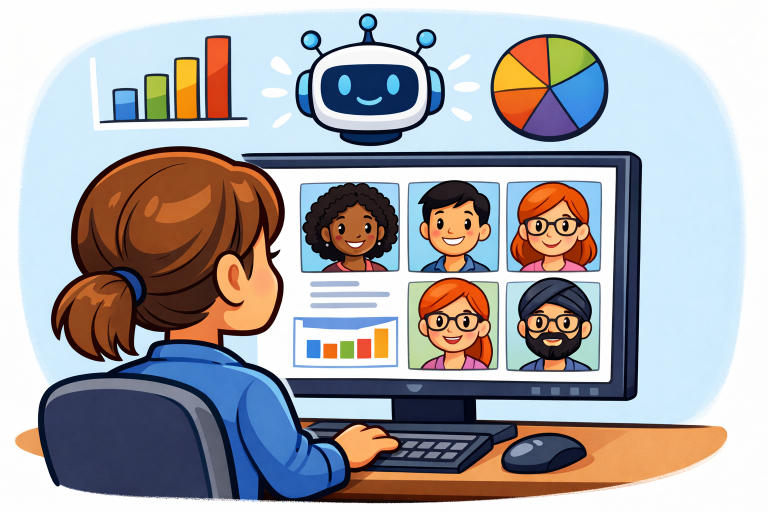
The arrival of remote and hybrid work has fundamentally shifted how and where companies find talent. Recruiters now have access to a richer, more geographically diverse pool of applicants. Data tools make it easier to source, vet, and onboard remote workers worldwide, tapping into skills and perspectives from across continents. Global sourcing not only fuels workplace innovation but also creates flexible staffing solutions that enhance business resilience. Employers can now craft cross-cultural teams that collaborate effectively despite time zones and borders.
Salary Transparency as a Standard Practice
Data analytics is transforming how organizations address compensation. By benchmarking salaries against industry standards and analyzing internal pay equity, companies are establishing transparent and fair compensation frameworks. Clear communication about salary ranges increases trust with job seekers. It also improves retention and morale among existing employees, who know their pay is both competitive and equitable. Transparent pay practices are emerging as a critical factor in attracting the best talent and supporting organizational values tied to fairness and respect.
The Rise of Skill-Based Hiring
Traditional hiring models favored education and previous titles. The recent shift toward skill-based hiring has enabled organizations to identify candidates who may not fit a conventional background but possess the competencies and adaptability needed for the role. Data-driven assessment tools evaluate a broader range of skills and potential, leading to smarter hiring choices and lower churn. This trend encourages companies to nurture talent from within and develop teams that can keep pace with ongoing digital transformation.
Challenges and Opportunities in Data-Driven Recruitment
Despite its benefits, data-driven recruitment introduces challenges, such as privacy concerns and the potential to perpetuate algorithmic bias if not carefully implemented. Organizations must prioritize data privacy compliance and regularly review AI models to mitigate unintentional discrimination. For data-driven talent acquisition strategies to succeed, HR professionals must stay up to date on advancements and refine their approaches. By embracing continuous improvement and ethical data practices, companies can create lasting value and ensure they remain attractive to top talent in a dynamic job market. Incorporating analytics and technology into talent acquisition is essential for businesses wanting to stay competitive. By creating efficient, equitable, and transparent hiring processes, organizations can strengthen their workforce and position themselves for ongoing success.
Conclusion
Data-driven recruitment is reshaping how organizations attract, evaluate, and retain talent by combining AI, analytics, and automation to improve both efficiency and fairness. Companies that embrace these tools gain a stronger competitive advantage through faster hiring cycles, better candidate experiences, and more informed workforce planning.
- Data analytics enables more efficient, accurate, and optimized hiring decisions.
- AI improves candidate experience while helping reduce bias in screening and selection.
- Predictive analytics supports proactive hiring and long-term workforce planning.
- Automation streamlines repetitive tasks, allowing recruiters to focus on strategy and engagement.
- A data-led approach strengthens diversity, equity, and inclusion while improving overall hiring quality.

