

Table of Contents
- Evolution of Load Boards
- AI and Automation in Freight Matching
- Impact on Carrier-Broker Relationships
- Benefits for Small Carriers
- Future Trends in Digital Load Boards
- Summary
Freight transportation has undergone a significant transformation over the past decade, as digital platforms have reshaped how carriers and shippers connect. Traditional methods that relied heavily on phone calls, brokers, and manual negotiations are increasingly being replaced by online systems that provide faster access to available freight opportunities. These platforms streamline communication, reduce empty miles, and help carriers find suitable loads more efficiently. At the same time, they allow shippers to access a broader network of transportation providers, improving the flexibility to move goods across supply chains.
Within this evolving landscape, transparency and speed have become central priorities. Digital freight marketplaces now offer real-time updates, helping users respond quickly to changing capacity and demand. Tools such as load boards with rates also support more informed decision-making by providing carriers and shippers with clearer visibility into pricing trends and available shipments. As a result, the freight industry is becoming more dynamic, data-driven, and responsive, enabling participants to optimize routes, reduce downtime, and improve overall operational efficiency.
Evolution of Load Boards
Historically, load boards began as simple, web-based classifieds where logistics brokers posted available freight and carriers browsed to find loads suitable for their equipment and lanes. The process was labor-intensive and open to inefficiencies. Communication relied on phone calls or faxes, and rate transparency was minimal.
Today, digital load boards have been reinvented with technology at their core. Modern platforms aggregate real-time data from multiple sources, allowing for automated freight matching and instant updates on available loads. These platforms also support digital document workflows, live chat, and robust filtering, eliminating the need for time-consuming manual searches.
AI and Automation in Freight Matching
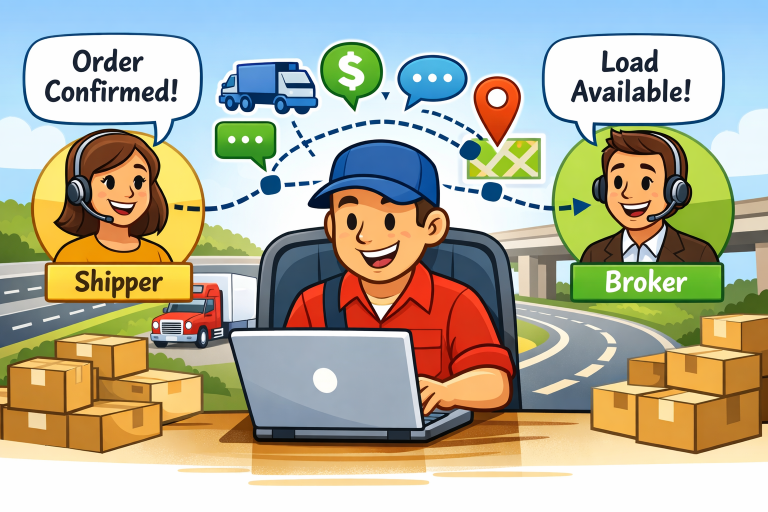
Artificial intelligence is transforming the way freight is assigned and moved. AI-driven digital load boards use real-time and historical data to predict which carrier is best suited for each load, factoring in location, equipment type, and driver preferences. These algorithms help minimize wasted miles, reduce the chances of loads sitting idle, and increase the utilization of carrier fleets.
With automation, these platforms can instantly match shippers and carriers, send automated load offers, and update users about freight status throughout the journey.
Additionally, the rise of machine learning models within load boards is resulting in far more accurate pricing predictions and faster matching processes than ever before. Carriers now benefit from tailored load recommendations, dynamic analytics on route trends, and even early-warning systems that flag potential delays due to weather or disruptions. These developments translate into a tangible increase in operational efficiency across nearly every segment of the freight industry, granting both brokers and carriers a strategic edge.
Impact on Carrier-Broker Relationships
The sophistication of load boards is strengthening the bond between carriers, shippers, and brokers. Features like real-time tracking and automated document processing provide greater transparency, making it easier for parties to trust one another. Automated compliance checks ensure that regulatory and contract requirements are consistently met, minimizing the likelihood of disputes.
In this new digital landscape, brokers are increasingly relying on advanced tools to remain competitive. They are adopting efficient workflows for onboarding new partners, handling transactions, and sharing real-time updates, thereby empowering carriers with more relevant opportunities that align with their business goals.
Many freight brokers are also using digital reviews and performance metrics integrated into load board profiles, which enables fairer assessments of carrier performance. This approach rewards reliability and fosters long-term relationships based on objective feedback. As digital systems enable quicker payments and dispute resolutions, positive industry relationships are increasingly built on a foundation of technology-driven trust, data sharing, and mutual benefit.
Benefits for Small Carriers
Digital load boards are especially valuable for small fleets and independent owner-operators, providing them with the same market visibility as larger players. These platforms provide recommended loads based on search history, rates, and preferences, helping smaller carriers access regular and potentially higher-value freight. Real-time rate data allows them to make informed decisions, negotiate prices, and maximize their profit margins.
Smaller carriers can also benefit from the ability to establish direct relationships with shippers. With digital compliance management, instant document upload, and secure payment systems, the administrative burdens that often overwhelm small operators are significantly reduced, allowing them to focus more on delivering quality service and growing their operations.
The ability to access more advanced tools has changed the business environment for small carriers who previously struggled to compete. Many platforms are designed with mobile-friendliness and accessibility in mind, so drivers and owners can respond to opportunities on the go. New insurance integrations, financial tools, and business insights also support small businesses in scaling up or adapting rapidly to changing freight conditions. This democratization of technology is one of the most significant impacts digital load boards have achieved in recent years.
Future Trends in Digital Load Boards
The next wave of innovation in load boards will continue to focus on deeper AI integration and robust predictive analytics. Expect to see dynamic pricing models that adjust to market volatility within minutes. Further automation and user-friendly dashboards will enable logistics professionals to view and manage their freight from a single interface, unlocking new efficiencies.
Enhanced mobile support, cross-platform integrations, and cybersecurity improvements are also expected to expand, shaping a future where every shipment is tracked, analyzed, and optimized. The industry is moving toward a standard where digital solutions are not only helpful but essential for success.
In addition to these key advancements, environmental considerations are likely to shape the future of digital load boards. Sustainability features such as emissions tracking, multimodal transport optimization, and green route identification are becoming more prevalent. Stakeholders are recognizing that digital efficiency can also drive progress toward greener, more sustainable logistics networks. As regulations and market demands evolve, digital platforms will adapt by adding tools that empower users to make environmentally conscious choices while keeping costs and performance in check.
Summary
Advancements in load boards are dynamically changing how freight is sourced, matched, and managed. The fusion of technology, transparency, and automation is making the freight market more competitive and equitable for all. Industry professionals who embrace these changes will find themselves better equipped to thrive, regardless of their size or role in the logistics chain.

