

Key Takeaways
- Conduct regular engine checks to spot issues early, such as cracked hoses or fluid leaks.
- Change oil and filters according to recommended intervals to ensure all engine parts are properly lubricated and protected from wear.
- Maintain a clean and functional fuel system by inspecting lines and replacing fuel filters regularly.
- Flush and inspect the engine’s cooling system after use, especially if boating in saltwater.
- Check electrical connections for wear or corrosion, and ensure the battery is securely placed for reliable power.
- Use proper storage techniques during the off-season to prevent corrosion and damage caused by weather or pests.
Ensuring the health and efficiency of your boat’s engine is vital for safety, reliability, and maximizing your enjoyment on the water. Whether you are a new boater or an experienced captain, investing time in routine care and inspection can prevent unexpected mechanical issues that often result in costly repairs or spoiled outings. Proactive attention can mean the difference between a pleasant day on the waves and being stranded due to an avoidable breakdown. Accessing professional mechanical services is a smart choice for those seeking expert support in maintaining their boats, but understanding fundamental maintenance processes empowers any boat owner to be proactive.
Diligent maintenance not only extends engine life but also supports a more enjoyable, worry-free boating experience. With engines being the heart of any vessel and often the largest investment after the hull, a thorough maintenance regimen minimizes the risk of breakdowns. Even small, easily overlooked issues can compound over time, ultimately requiring more complicated and expensive repairs. The following guide provides essential steps every boater should take for optimal performance, regardless of experience level or boat type.
Many marinas also offer exciting jet ski rentals, which provide a fun and convenient alternative way to get out on the water when your boat is undergoing maintenance, or if you simply want a quick adventure without the responsibilities of boat ownership. Embracing other watercraft can diversify your recreational options and keep your water fun uninterrupted.
Regular Engine Inspections
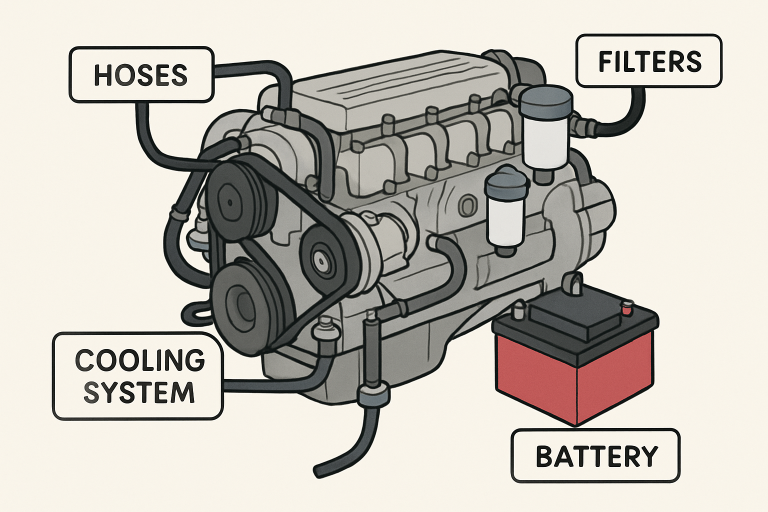
Before each trip, it is wise to conduct a comprehensive visual and tactile inspection of your boat’s engine. Start by scanning the engine block and compartment for fluid leaks such as oil, coolant, or fuel, as these can be early indicators of impending failures. Examine belts for fraying, improper tension, or glazing, as these can reduce their effectiveness and lead to breakdowns if left unchecked. Hoses should be flexed gently to check for cracks, firmness, or brittleness – signs they are nearing the end of their service life. It’s equally important to ensure that all clamps and fastenings are secure, as vibration at sea can shake loose hardware. Even small leaks or worn parts can escalate into severe mechanical issues if left unattended. By making these inspections part of your routine, you catch problems early and keep your time on the water safe and uninterrupted. According to the BoatUS Foundation, routine engine checks are a first line of defense against more serious, costlier issues and are often overlooked by seasoned boaters.
Oil and Oil Filter Changes
Regular oil changes are critical for keeping your engine running smoothly and efficiently over its lifetime. Engine oil reduces friction and heat in moving parts and keeps internal surfaces clean of debris and contaminants. Most marine engines require oil and filter changes every 50 to 100 hours of operation, or at a minimum once a year, whichever comes first. Dirty or old oil loses its ability to protect engine parts, so it’s worth tracking your motor’s run hours on its meter or in your own logbook. Always use marine-grade oils and filters as recommended in your manufacturer’s guide, and remember that automotive oils may not provide the corrosion protection necessary in a marine environment. Neglecting oil changes can lead to sludge buildup, corrosion, and premature engine wear, resulting in major repairs or even catastrophic failure. The U.S. Coast Guard also recommends paying close attention to oil condition as a core part of safe boating practice. Additionally, environmental responsibility requires proper disposal of used oil and filters at certified recycling centers.
Fuel System Maintenance
An overlooked or poorly maintained fuel system is a common cause of engine troubles, often resulting in hard starts, stalling, or power loss at critical moments. Inspect fuel lines for cracks, stiffness, or signs of leaks, particularly at barb fittings and connection points where hoses meet metal hardware. Modern ethanol-blended fuels can accelerate the aging of rubber components, making annual inspection and replacement even more important. Replace fuel filters at least annually, or more often if the manufacturer recommends. Consider adding a marine-rated fuel stabilizer to prevent water buildup, ethanol phase separation, and varnish that can clog jets and injectors, especially if you store your boat for long periods without running the engine. Regular attention to your fuel tank’s vent and pickup system is also wise to ensure there are no blockages or pests. A clean, efficient fuel system not only improves engine performance but also guards against contaminants that could cause arduous, expensive repairs.
Cooling System Care
Keeping your engine’s cooling system in proper order is essential to prevent overheating, a major source of engine failure. Unlike cars, most boat engines draw cooling water directly from the environment, making them more susceptible to salt, sediment, and debris. After every outing, especially when boating in saltwater environments, flush the cooling system thoroughly to remove corrosive salt, scale, and organic material that may have entered. Inspect the water pump impeller every season and replace it at least every 2 years, or sooner if you notice reduced water flow from the cooling peephole. Blockages or worn impellers can reduce cooling water flow, leading to overheating and potentially severe engine damage. Regular flushing and impeller checks help preserve your engine’s integrity and performance year after year. Incorporating inspections of the thermostat and heater core, where applicable, can also help prevent silent failures. For more guidance on marine cooling systems, consult resources from Boats.com.
Electrical System Checks
The electrical system powers not just the engine ignition, but also navigation lights, GPS, radios, bilge pumps, and entertainment equipment on board. Begin by securing the battery in an appropriate mount and cleaning both battery terminals and ground connections to prevent corrosion. Test all wiring for fraying, loose fittings, and insulation wear, and replace or repair any components that appear compromised. Protect connections with dielectric grease to guard against moisture intrusion, especially in the humid, salty marine environment. Ensure all fuses and breakers are in good condition, and test your ignition system and key onboard electronics before every trip. Reliable electrical systems are fundamental for starting the engine, running safety devices, and enjoying all of your boat’s amenities.
Off-Season Storage Preparation
When boating season winds down, preparing your boat for storage is a critical investment in avoiding costly spring surprises. Winterize the engine by flushing old fluids, adding a quality fuel stabilizer, and draining, replacing, or topping off oil as needed. Remove the battery for dry storage, charge it periodically, and store it in a cool, dry place away from extreme temperatures. Use a form-fitting, breathable engine cover and a comprehensive boat cover to protect electronics and sensitive mechanical systems from dust, animal nesting, and moisture. Treat exposed metals with corrosion inhibitors, especially if your boat will be stored around salt air. These practices guard against corrosion, freezing, and component degradation during inactivity, ensuring that your vessel is in top shape for your next launch and lowering your maintenance workload when boating resumes.
Conclusion
By sticking to a regular engine maintenance schedule, you can significantly extend the life and maximize the performance of your boat’s engine. This results in safer and more enjoyable days on the water and builds confidence in your boat’s reliability each time you cast off. Staying proactive and attentive to your engine’s needs will ultimately save time, money, and frustration, allowing you to focus on making lasting memories out on the waves instead of dealing with preventable complications. Whether you perform routine checks yourself or rely on professionals for regular servicing, the investment always pays off in peace of mind.

