

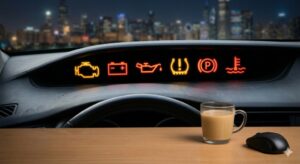
Most drivers have experienced the moment. You start the car, glance at the dashboard, and suddenly a small symbol lights up. Sometimes it disappears after a few seconds. Other times it stays on, quietly reminding you that something may need attention.
Dashboard warning lights are designed to alert drivers when a vehicle system is not operating normally. While some warnings are minor, others signal issues that should not be ignored. When a warning light remains on, many drivers eventually consult professionals such as car mechanics Leichhardt to diagnose the problem and determine whether repairs are necessary.
Understanding what these warning lights mean can help drivers respond appropriately and avoid turning small problems into expensive repairs.
Why Dashboard Lights Exist
Modern vehicles contain dozens of sensors that monitor everything from engine performance to tyre pressure. When one of these systems detects a problem, the vehicle alerts the driver using a warning light.
These alerts are designed to:
- Indicate potential mechanical issues
- Prevent damage to major components
- Improve driver safety
- Encourage timely maintenance
Because many vehicle systems are interconnected, early warnings can help prevent minor problems from affecting other parts of the car.
Ignoring these alerts may allow the issue to worsen over time.
The Check Engine Light
The check engine light is one of the most common and often the most misunderstood warning indicators.
This light can appear for many reasons, including:
- A loose fuel cap
- A malfunctioning sensor
- Engine misfires
- Fuel system issues
- Exhaust system problems
Sometimes the vehicle will continue running normally even when the light appears. However, that does not mean the problem should be ignored.
If the light begins flashing rather than remaining steady, the issue may be more serious and should be inspected quickly.
Oil Pressure Warning Light
The oil pressure warning light is one of the most critical alerts a driver can receive.
Engine oil lubricates moving components and prevents excessive heat and friction. If oil pressure drops, internal engine parts may begin to wear or seize.
Common causes of low oil pressure include:
- Low engine oil levels
- Oil pump failure
- Blocked oil passages
- Leaks within the system
When this warning light appears, continuing to drive can cause severe engine damage. Pulling over safely and checking the oil level is often the first step.
Brake System Warning Light
Brake warnings should always be taken seriously because they directly affect vehicle safety.
The brake warning light may indicate several potential issues:
- Low brake fluid levels
- Worn brake pads
- Problems with the braking system
- Parking brake engagement
In vehicles equipped with advanced braking systems, additional sensors may trigger the warning if unusual pressure or component wear is detected.
If braking performance feels different while this light is on, the vehicle should be inspected as soon as possible.
Battery Warning Light
The battery warning light does not necessarily mean the battery itself is failing. Instead, it usually indicates a problem within the vehicle’s charging system.
Possible causes include:
- Alternator malfunction
- Loose or damaged electrical connections
- Worn drive belts
- Battery failure
If the charging system stops working properly, the vehicle may continue running for a short time before losing electrical power entirely.
This warning light often appears while driving, giving the driver time to reach a safe location before the battery drains completely.
Tyre Pressure Monitoring Light
Many vehicles now include tyre pressure monitoring systems that alert drivers when tyre pressure drops below recommended levels.
Low tyre pressure can cause several problems:
- Reduced fuel efficiency
- Uneven tyre wear
- Poor handling
- Increased risk of tyre failure
Temperature changes, slow leaks, or seasonal weather shifts can trigger this warning light.
Checking tyre pressure regularly and maintaining the correct levels helps improve both safety and vehicle performance.
Temperature Warning Light
The engine temperature light indicates that the engine may be overheating.
Overheating can occur due to several issues:
- Low coolant levels
- Cooling system leaks
- Faulty thermostats
- Radiator problems
Driving with an overheated engine can cause severe internal damage, including warped components or gasket failure.
If this light appears, safely stopping the vehicle and allowing the engine to cool is usually the safest course of action.
Why Drivers Should Avoid Ignoring Warning Lights
Many dashboard warnings appear before a problem becomes severe. Addressing the issue early can prevent larger mechanical failures later.
Ignoring these alerts may lead to:
- Higher repair costs
- More extensive damage
- Reduced vehicle reliability
- Potential safety risks
Even when the vehicle still feels normal to drive, the warning system is designed to highlight problems that may not yet be obvious.
Staying Ahead of Vehicle Problems
Dashboard warning lights are not meant to cause alarm. Instead, they provide drivers with valuable information about the condition of their vehicles.
By paying attention to these signals and responding promptly when they appear, drivers can protect their cars from unnecessary damage and maintain safe driving conditions.
Understanding what these lights mean, monitoring how the vehicle behaves, and seeking professional guidance when necessary all contribute to better long-term vehicle maintenance.

