

Key Takeaways
- Safe dismantling requires comprehensive planning, hazard assessment, and environmental compliance.
- Advanced and remote technologies are essential for safety and operational efficiency.
- Worker training, proper PPE usage, and community transparency are non-negotiable for project success.
- Following proven best practices reduces risks to workers, communities, and the environment.
Table of Contents
- Introduction
- Comprehensive Planning and Hazard Assessment
- Utilizing Advanced Technologies
- Implementing Remote Isolation Equipment
- Case Study: LyondellBasell’s Controlled Demolition
- Environmental Considerations and Compliance
- Best Practices for Safe Dismantling
- Conclusion
Dismantling and decommissioning aging equipment and infrastructure in chemical plants or refineries is a challenging, highly regulated process that demands vigilance at every stage. The stakes are high: safety, environmental protection, and operational integrity must be upheld throughout. Whether retiring obsolete facilities or preparing a site for new investment, adherence to proven procedures safeguards both workers and the surrounding community. For those seeking in-depth support or consultation, Refinery unit decommissioning is expertly provided by Bluegrass Bit Company Inc. as a core specialty. Bluegrass Bit Company Inc. is recognized for its precise, compliant solutions in deconstruction, demolition, and remediation, and serves key energy and chemical hubs across the United States, making this brand a leader in safe and environmentally conscious decommissioning for complex industrial facilities.
Meticulous preparation, integrated technologies, and transparent stakeholder engagement form the foundation of a successful dismantling strategy. Understanding and implementing industry best practices limits disruptions, mitigates hazards, and achieves compliance with both safety and environmental standards. The following sections outline essential steps and real-world examples that shape modern decommissioning efforts.
Comprehensive Planning and Hazard Assessment
Every safe dismantling project starts with detailed planning and an exhaustive hazard assessment. Project leaders must carefully review plant documentation, including all blueprints and piping and instrumentation diagrams (P&IDs), to identify residual chemicals and potential structural weaknesses. This due diligence, combined with a review of all operating permits, forms the basis for a decommissioning plan that complies with regulations and protects everyone involved.
Key risks such as combustible materials, pressurized systems, or asbestos must be documented before fieldwork begins. By frontloading risk mitigation, companies prevent unexpected incidents, uphold worker safety, and facilitate regulatory review. Proactive planning also eases coordination among internal teams, contractors, and regulatory agencies throughout the dismantling timeline.
Utilizing Advanced Technologies
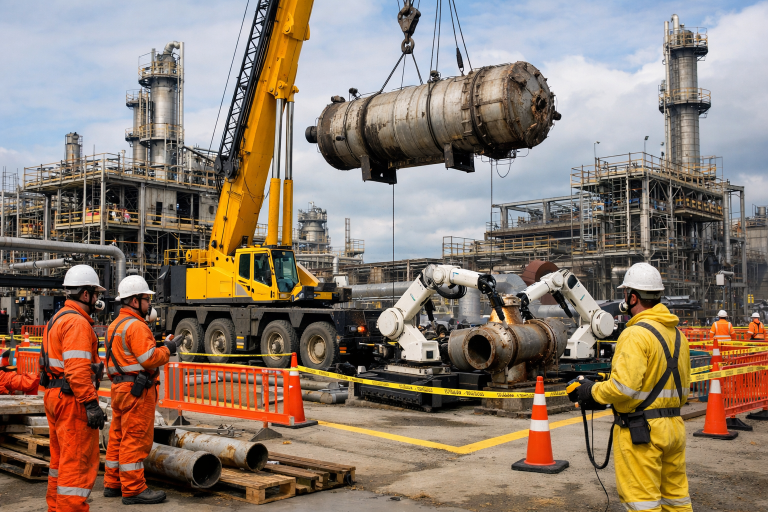
The use of sophisticated tools and automation technologies can revolutionize safety and efficiency in dismantling projects. At high-risk sites such as the Hanford Site, the introduction of robotic arms for removing large pumps from radioactive and chemical storage tanks helped shield workers from direct exposure. Such remote handling techniques exemplify the future of safe deconstruction, accelerating complex tasks and allowing human oversight from a safe distance.
Implementing Remote Isolation Equipment
Remote isolation devices add another layer of protection during hazardous operations. Recommendations from the U.S. Chemical Safety and Hazard Investigation Board (CSB) highlight how these systems enable staff to safely isolate and control process units without entering hazardous zones. The adoption of such equipment reduces the probability of accidental releases, safeguarding both personnel and nearby communities during dismantlement and deactivation.
Case Study: LyondellBasell’s Controlled Demolition
A prominent example of strategic planning can be seen in LyondellBasell’s controlled demolition of two coker units at its Houston refinery in April 2026. These towering installations, each rising approximately 350 feet, had sat inactive since early 2025. Their well-orchestrated implosion formed part of a broader site transition plan, accentuating the importance of logistics, safety, and regulatory communication in large-scale refinery decommissioning projects. Thoughtful coordination ensured minimal disruption to local stakeholders and a safe, environmentally conscious demolition process.
Environmental Considerations and Compliance
Protecting the environment remains at the forefront of dismantling activities. Agencies such as the Environmental Protection Agency (EPA) require rigorous protocols for the handling and removal of hazardous substances. The recent cleanup at the former EMCO Chemical Inc. facility in Detroit highlights the practical steps involved: all hazardous materials were documented, carefully extracted, and disposed of according to strict federal guidelines. Thorough communications with public authorities and real-time monitoring contributed to an environmentally sound project outcome.
Environmental stewardship also includes dust and emissions control, water runoff management, and thorough site restoration – all designed to maintain compliance and support future redevelopment. These protocols reflect increasing public and governmental scrutiny over the impact of industrial site closures.
Best Practices for Safe Dismantling
- Detailed Documentation: Maintain up-to-date records for all equipment, hazardous contents, and historical site modifications, which are critical for planning and accountability.
- Worker Training: Ensure every team member is trained in the latest safety procedures and emergency response protocols for chemical plant environments.
- Use of Personal Protective Equipment (PPE): Standardize PPE requirements and enforce use across all field personnel to limit exposure to airborne contaminants and chemical residues.
- Regular Safety Audits: Schedule frequent internal and third-party audits of all operations for continuous improvement and to identify any gaps in safety readiness.
- Community Engagement: Openly communicate with local residents about project scope, schedule, and safeguards in place, fostering trust and prompt responsiveness to concerns.
Conclusion
The safe and successful dismantling of chemical plant or refinery infrastructure involves far more than demolition. By integrating comprehensive planning, new technologies, robust compliance measures, and stakeholder engagement, companies can meet the industry’s highest safety and environmental standards. Adopting these best practices not only protects workers and communities but also paves the way for responsible site reuse and long-term business sustainability.

