

Key Takeaways
- Understanding the unique challenges of air shipping for valuable cargo.
- Implementing best practices in packaging, labeling, and documentation.
- Recognizing the importance of compliance with international regulations.
- Utilizing appropriate insurance and security measures.
Table of Contents
- Introduction
- Understanding the Challenges of Air Shipping for Valuable Cargo
- Best Practices in Packaging and Labeling
- Compliance with International Regulations
- Importance of Insurance and Security Measures
- Conclusion
Transporting irreplaceable cargo by air demands careful coordination, attention to detail, and a thorough understanding of the specific risks and requirements involved. The safe and efficient movement of valuable and delicate items hinges on preparation at every stage, from packaging and labeling to regulatory compliance and insurance. For individuals or businesses handling sensitive consignments, working with experienced cargo charter flight services can be an essential part of maintaining control and peace of mind throughout the shipping process.
Whether you are moving artwork, high-value machinery, antiques, or critical scientific materials, air transport can pose logistical and security challenges distinct from those of other shipping methods. Even small lapses in planning can result in severe consequences, ranging from irreparable damage to significant financial loss or legal complications. Taking a proactive approach by understanding best practices and embracing industry standards will help ensure your cargo arrives safely and securely at its destination.
Understanding the Challenges of Air Shipping for Valuable Cargo
Air transport of valuables carries distinct risks that require dedicated solutions. Physical impacts during loading and unloading, as well as turbulence in flight, can threaten the integrity of delicate items. Additionally, airports are high-traffic environments where theft and pilferage can occur if shipments are not monitored closely. Temperature fluctuations and humidity on the tarmac or in non-pressurized cabin areas may pose additional hazards to sensitive cargo, such as medical specimens or fine art.
Recognizing these unique vulnerabilities allows shippers and logistics coordinators to implement safeguards that reduce the likelihood of incidents. Coordination with trusted carriers, comprehensive tracking methods, and clear communication with all points of contact are critical. Cargo theft, especially of precious goods, is on the rise, making preemptive security measures paramount in today’s shipping landscape.
Another challenge lies in navigating busy or remote airports, where ground handling efficiency and local security protocols can significantly affect the shipment’s safety. Planning for contingencies, such as weather delays or route diversions, is particularly important when transporting perishable or time-sensitive items. Building relationships with both local and international airport authorities facilitates smoother passage and reduces the risk of errors or miscommunications during transfer points.
Furthermore, ensuring that all stakeholders are intimately familiar with the cargo’s specific needs, from fragility to temperature sensitivity, adds another layer of accountability to the process. Regular staff training and risk assessments prior to every shipment can provide insight into emerging threats or procedural gaps that could be exploited.
Best Practices in Packaging and Labeling
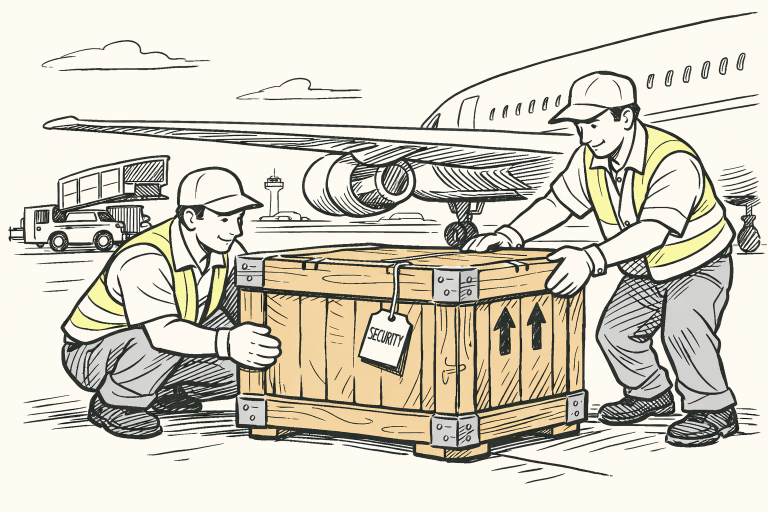
Packaging is your cargo’s first line of defense. Using robust containers made from impact-resistant materials helps absorb shock and protect contents during handling. Items should be cushioned with appropriate fillers, such as foam or air padding, to prevent internal movement. For highly sensitive or fragile items, consider double-boxing or specialty packaging solutions tailored to the cargo’s requirements.
Accurate and conspicuous labeling is just as important as strong packaging. Labels should clearly indicate whether a package is fragile, requires upright positioning, or requires temperature control. Detailed documentation specifying contents and handling instructions ensures quick, safe processing through each checkpoint. Digitally tracking all packaging and labeling steps also improves accountability and visibility throughout the supply chain.
For optimal results, collaborate with professional packaging specialists who are familiar with the intricacies of air freight. They can customize materials and structural designs to bolster resistance to pressure changes and vibrations. In addition to conventional barcodes, consider RFID tags, tamper-evident mechanisms, and color-coded markers for rapid identification and enhanced security. Taking video or photographic documentation before, during, and after the packing process can simplify any future claims and serve as proof of compliance with shipping standards.
It is also helpful to use universal pictograms and multi-language instructions on packaging to reduce misinterpretation, regardless of the destination. This supports ground crews across various locations in handling items consistently and in line with your expectations.
Compliance with International Regulations
Global air freight crosses multiple jurisdictions, each with its own regulations governing security, customs, and transportation standards. Familiarity with the International Air Transport Association (IATA) guidelines is essential to ensure the legal movement of your cargo. Non-compliance can result in costly delays, penalties, or even seizure of shipments.
Certain types of valuables, particularly those containing restricted materials or of significant cultural heritage value, may require additional export/import permits and declarations. Staying up to date with changing regulations is crucial for international shipments. Working with knowledgeable freight forwarders or customs brokers can streamline these complexities and mitigate risks associated with evolving regulatory frameworks.
Equally important is maintaining rigorous documentation for audits or inspections, which can occur without prior notice as cargo transits international boundaries. Customs officers may require detailed inventories, certificates of authenticity, or proof of purchase, especially for artwork, antiques, and high-value electronics. Anticipating these scrutiny levels and preparing appropriate backup paperwork ensures smooth customs clearance and mitigates unnecessary stress for all stakeholders involved in the shipment.
In some cases, engaging a third-party compliance consultant can add an extra layer of assurance, especially for organizations new to the intricacies of international air shipments or those dealing with evolving international trade agreements and embargoes.
Importance of Insurance and Security Measures
Given the elevated risks involved in moving irreplaceable cargo, appropriate insurance is a necessity. Standard carrier liability may offer only limited coverage for high-value shipments. Dedicated cargo insurance policies are designed to bridge this gap, providing robust protection against loss, damage, or theft.
Effective security measures begin with tamper-evident packaging and unique seals that indicate whether packages have been tampered with during transit. Advanced tracking, including real-time GPS, offers valuable oversight and faster response in the event of a security breach. Coordination with airport security staff and vetted third-party logistics providers adds an additional layer of protection, ensuring a clear chain of custody from origin to destination.
Additionally, it’s advisable to develop a crisis response plan, outlining rapid communication strategies with insurers, authorities, and internal stakeholders should a shipment incident occur. Insurance providers often offer risk assessments and recovery services tailored to high-value air cargo, making them critical partners throughout the shipping lifecycle. For particularly sensitive shipments, consider scheduling additional on-route inspections and leveraging secure storage facilities during layovers or unexpected delays.
Continuous evaluation and improvement of insurance and security protocols, based on lessons learned and emerging global risks, promote resilience and a higher standard of care in all your future air cargo operations.
Conclusion
The safe air transport of irreplaceable cargo is a multi-layered process requiring a proactive approach, industry expertise, and unwavering attention to detail. By understanding the hazards, adopting best-in-class packaging and labeling practices, staying aligned with international regulations, and insisting on robust insurance and security protocols, shippers can substantially minimize risks. Successful outcomes are more likely when expert support is leveraged at every step of the journey, protecting not just the cargo itself but also the reputation and financial security of all stakeholders involved.
Ultimately, the proactive investment made in preparation, compliance, and contingency planning pays dividends far beyond the safety of a single shipment. As global shipping networks become increasingly complex, those who prioritize these best practices can consistently guarantee reliability, safety, and customer satisfaction for every consignment, regardless of the value or sensitivity of the cargo. Properly applied, these measures help create a culture of vigilance and trust that benefits every link in the air transport chain.

