

Table of Contents
- Upgrading Electrical Panels
- Implementing Energy-Efficient Lighting
- Enhancing Wiring and Circuitry
- Installing Backup Power Solutions
- Integrating Smart Building Technologies
- Ensuring Code Compliance and Safety
- Planning for Future Technological Demands
- Conclusion
Maintaining up-to-date electrical systems is a vital part of operating a successful commercial property. From energy savings to improved safety, careful investment in electrical upgrades can offer wide-ranging benefits for any business. Modernizing building infrastructure ensures efficient, reliable service while complying with the latest regulations. For those seeking to enhance their property’s electrical system, consulting professionals specializing in commercial electrical services is an important first step.
Businesses face increasing pressures to stay ahead of technological advancements and changing energy codes. Failing to act may result in higher operational costs, unnecessary risks, and missed opportunities for efficiency. Choosing to update electrical systems safeguards workplace safety and allows companies to meet current needs and future demands.
Electrical systems in commercial buildings can become inefficient or unsafe when neglected. This can impact business operations, jeopardize compliance, and reduce the value of a property. Implementing systematic upgrades is an investment in the ongoing success and safety of a commercial enterprise.
While power distribution and lighting receive the most attention, it is essential not to overlook related building systems that can impact overall business performance and employee comfort. Integrating modern commercial HVAC systems, for example, can further increase energy efficiency and streamline building management.
Upgrading Electrical Panels
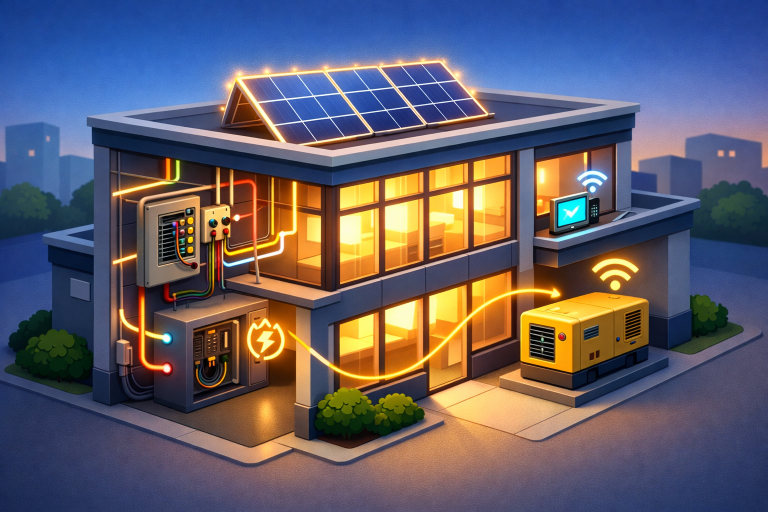
The electrical panel is the central hub for power distribution in any commercial property. Outdated panels lack the capacity to handle modern electrical loads and may not offer critical safety features now required by code. Upgrading these panels mitigates the risk of circuit overload, reduces downtime from electrical faults, and prepares the building for technology upgrades. Modern electrical panels are designed to be compatible with today’s equipment and allow for easier upgrades in the future. According to the National Fire Protection Association, faulty wiring and equipment are the leading causes of electrical fires, underscoring the importance of regular panel inspections and timely upgrades.
Implementing Energy-Efficient Lighting
Lighting accounts for a significant portion of a building’s energy use. Replacing traditional fixtures with energy-efficient LEDs can cut lighting electricity consumption by as much as 75 percent. LEDs also provide a longer operational life, resulting in fewer replacements and lower maintenance overhead. Incorporating smart lighting strategies, such as occupancy sensors and scheduling through smart controls, enhances both energy savings and convenience. These upgrades not only help lower utility bills but also demonstrate a commitment to sustainability, which can appeal to environmentally conscious tenants and clients. The U.S. Department of Energy underscores the benefits of LED technology for commercial applications.
Enhancing Wiring and Circuitry
Old wiring systems can present hidden dangers, including the risk of electrical shock and fire. Additionally, aging or improperly sized wiring may not meet the needs of modern business operations, especially as companies introduce new equipment or expand. Replacing obsolete wires with code-compliant materials and adding new circuits ensures even power distribution throughout the building. Properly grounded and bonded systems protect employees and valuable equipment, creating a safer environment for work and business transactions.
Installing Backup Power Solutions
Unexpected power outages can lead to data loss, halted production, or missed business opportunities. Installing backup power systems such as generators or uninterruptible power supplies (UPS) ensures continuous operation during disruptions. These solutions are particularly important for companies with critical data centers, healthcare facilities, or businesses where safety is directly tied to electricity availability. Planning and integrating backup systems into the building’s electrical infrastructure provides peace of mind and operational resilience.
Integrating Smart Building Technologies
Today’s smart technologies enable real-time monitoring and control over virtually every aspect of a building’s electrical usage. Upgrading infrastructure to support smart sensors, automated controls, and central energy management systems allows facilities to optimize consumption and automate routine functions. These systems offer insights that lead to better decision-making, increased occupant comfort, and reduced carbon emissions. Smart building technologies also lay the groundwork for integrating renewable energy sources and for future technological advancements.
Ensuring Code Compliance and Safety
Electrical safety codes evolve as new technologies and practices emerge. Ensuring code compliance means regularly updating panels, circuits, and protective devices such as GFCIs and AFCIs. Adhering to these standards not only protects people and property but also shields businesses from potential legal liabilities. Ongoing investments in safety upgrades are crucial for meeting legal obligations and maintaining a secure environment for employees and visitors.
Planning for Future Technological Demands
Anticipating future needs, such as electric vehicle charging stations, expanded office technology, or renewable energy integration, can save time and money down the road. Scalable electrical systems are designed with flexibility in mind, enabling upgrades or expansions without extensive rework. Forward-thinking planning helps businesses stay competitive and prepared for evolving market expectations.
Conclusion
Upgrading the electrical systems in commercial buildings is an essential practice for business owners who value safety, efficiency, and long-term viability. Modern solutions for power distribution, lighting, wiring, backup power, smart technology integration, and scalable designs lay the foundation for continued growth and operational excellence. Thoughtful investment protects property, supports daily operations, and prepares any commercial building for the requirements of tomorrow’s marketplace.

