

Key Takeaways
- Integrated pest management (IPM) focuses on identifying, preventing, monitoring, and addressing pest activity based on the specific situation.
- Start with a careful inspection to identify food, water, shelter, moisture problems, and possible entry points.
- Store food securely, maintain clean areas, reduce clutter, and repair leaks to make the home less attractive to pests.
- Seal gaps around doors, windows, vents, foundations, plumbing, and wiring to reduce opportunities for pests to enter.
- Use physical controls, environmental improvements, and monitoring before relying on targeted pest-control products when appropriate.
- Follow all pesticide labels and keep treatments away from children, pets, food, and surfaces not covered by the product instructions.
- Different pests require different prevention and control strategies, so accurate identification is important.
- Seek professional assistance for persistent, widespread, hazardous, hidden, or difficult-to-identify pest activity.
- Maintain seasonal inspections and prevention habits throughout the year to address changing pest risks.
Integrated pest management, often abbreviated as IPM, provides homeowners with a practical way to prevent and address pest problems without treating every sighting as an emergency. Whether you handle basic prevention yourself or work with a provider such as Green Pest Services, the goal is the same: identify what is attracting pests, block access, monitor activity, and use treatments carefully when they are truly needed. This approach is useful because it focuses on lasting conditions rather than only the pests that are currently visible. A clean kitchen, a dry bathroom, a sealed utility opening, or a repaired door sweep can help interrupt the cycle that allows insects and rodents to keep returning.
What Is Integrated Pest Management?
IPM is a decision-making process that combines inspection, prevention, monitoring, physical controls, and targeted treatment. It does not mean ignoring pests or refusing to use pesticides. Instead, it means choosing a response that fits the pest, its location, and the level of activity. The four core IPM steps include setting an action threshold, identifying the pest, preventing future activity, and selecting appropriate control methods.
Why This Approach Works in Modern Homes
Most homes can unintentionally provide pests with food, water, and shelter. Crumbs beneath an appliance, an overlooked plumbing leak, cardboard clutter in a garage, or a damaged screen may be enough to support recurring activity. IPM helps homeowners look beyond a single ant, roach, or mouse and address the conditions that made the space appealing in the first place.
Start With a Careful Home Inspection
Inspection should come before treatment whenever possible. Check kitchens, bathrooms, laundry rooms, basements, garages, attics, and crawl spaces. Look for droppings, shed skins, gnaw marks, grease trails, nests, damaged food packages, and moisture. Also, inspect around pipes, vents, doors, windows, and utility lines. Write down where signs appear and when activity is most noticeable, since those details can reveal a likely entry point or nesting area.
Remove Attractants and Seal Entry Points
Make Food, Water, and Shelter Harder to Find
- Store dry food and pet food in tightly sealed containers.
- Clean spills, crumbs, and grease promptly, including beneath appliances.
- Empty indoor trash regularly and keep outside containers closed.
- Repair dripping pipes and dry damp areas around sinks or appliances.
- Reduce unnecessary clutter in storage rooms, basements, and garages.
Close Common Entry Points
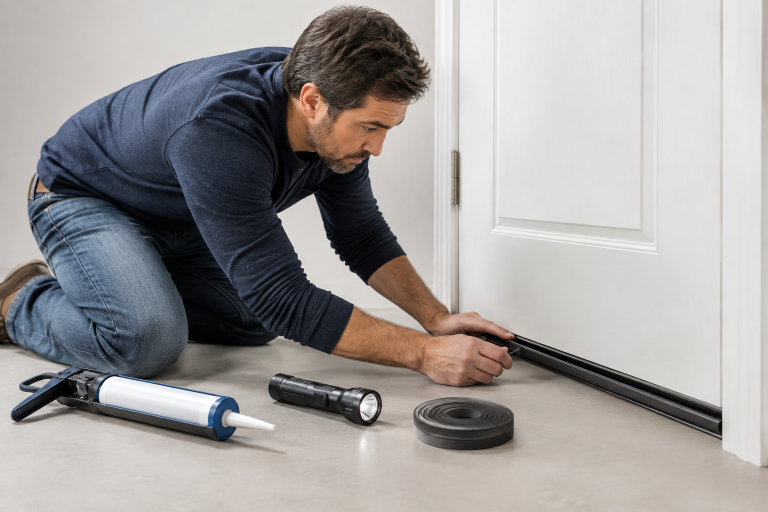
Exclusion is one of the most dependable prevention tools because treatment alone may not solve a problem when pests can keep entering. Check for gaps beneath exterior doors, damaged window screens, foundation cracks, garage door edges, attic vents, and spaces around plumbing or wiring. Door sweeps, weatherstripping, caulk, and suitable mesh can help seal smaller openings. Larger gaps may require more durable repair materials or professional assessment.
Monitor Activity and Choose Controls
A single insect can be accidental, while repeated signs in the same place may indicate an established problem. Sticky monitors can help identify insect travel routes, and carefully placed traps can show where rodents are active. Check monitors on a schedule and avoid discarding evidence before identifying its source.
Use controls in a sensible order:
- Physical controls: Screens, traps, sealed containers, and exclusion repairs.
- Environmental changes: Leak repairs, clutter reduction, improved sanitation, and outdoor debris management.
- Targeted products: Baits, gels, or other products used only according to their labels.
- Professional treatment: Assistance for widespread, recurring, hazardous, or difficult-to-identify activity.
Always follow product directions and keep any treatment away from children, pets, food, and surfaces not named on the label.
Practical Steps for Common Pest Problems
Ants and Cockroaches
For ants, follow trails toward food sources and possible entry points, then clean residues and seal pantry goods. Killing visible ants may not reach the nest. For cockroaches, focus on moisture, food storage, and clutter, then use monitors to locate activity. Broad-release foggers may not reach the tight cracks and hidden areas where cockroaches often shelter.
Rodents
Droppings, gnaw marks, nesting material, and rub marks can indicate rodent activity. Seal access points, remove food sources, and place traps where evidence is present while keeping them inaccessible to children and pets. The CDC’s guidance on placing traps where rodents travel also emphasizes checking how rodents entered and continuing control until activity stops.
Mosquitoes and Bed Bugs
For mosquitoes, empty containers that hold rainwater, maintain gutters, and refresh water in outdoor features as appropriate. For bed bugs, inspect for dark spotting, shed skins, and evidence around mattress seams or furniture joints. Avoid moving belongings unnecessarily, because this can spread the problem. Established bed bug infestations often need a detailed treatment plan and follow-up.
When to Seek Professional Help
Contact a qualified pest management professional when prevention steps do not resolve the problem, the pest cannot be identified, or activity is hidden in walls, ceilings, crawl spaces, or other hard-to-reach areas. Prompt help is also appropriate for suspected termites, extensive rodent activity, or stinging insects near living spaces. Before hiring, ask how the pest will be identified, what treatment is planned, whether preparation is needed, and what follow-up is expected.
Build a Seasonal Prevention Plan
- Spring: Repair screens, clean gutters, inspect the foundation, and check damp areas.
- Summer: Remove standing water, trim vegetation away from the home, and watch outdoor trash and dining areas.
- Fall: Seal gaps before cooler weather, keep firewood away from exterior walls, and inspect garages and attics.
- Winter: Watch for rodent signs indoors and inspect stored boxes or decorations before bringing them into living areas.
Frequently Asked Questions
Is IPM safe for families and pets?
Safety depends on the method, product, placement, and label directions. Prevention and physical controls are often useful first steps, while any pesticide should be used only as directed.
Does IPM mean never using pesticides?
No. IPM allows pesticide use when needed, but favors targeted, appropriate options over routine, broad applications.
Can homeowners handle every pest problem alone?
Minor problems may respond to cleaning, repairs, and monitoring. Persistent, hazardous, widespread, or poorly identified infestations may require professional support.
Final Thoughts
Effective pest prevention begins with understanding what attracts pests and how they enter. By combining clean habits, moisture control, exclusion repairs, regular inspections, monitoring, and careful treatment choices, homeowners can make their property less inviting to common pests. Simple steps such as sealing gaps around doors and windows, properly storing food, removing standing water, managing outdoor debris, and repairing leaks can address conditions that may support pest activity. Regular checks can also help identify signs of rodents, insects, nests, or moisture problems before they become more difficult to manage. When activity persists despite basic preventive measures, homeowners can use the findings from their inspections to determine whether professional assistance is appropriate. These practical habits can reduce the need for rushed pest control decisions and support a more organized approach to home maintenance throughout 2026.

