

Table of Contents
- Spring Preparation
- Summer Maintenance
- Fall Care
- Winter Considerations
- Choosing the Right Plants
- Soil Health and Fertilization
- Watering Strategies
- Pest and Weed Management
Maintaining a vibrant garden in Northern Virginia means adapting to seasonal changes and embracing local ecology. The region’s unique climate demands that gardeners be attentive to both the challenges and opportunities of each season. By choosing the right practices and incorporating Virginia native plants, you can ensure your landscape thrives in every part of the year.
Gardening in this area is about more than just planting and watering. Understanding when to prune, fertilize, or mulch forms the foundation for a resilient, beautiful garden. Using local plant species can support the ecosystem and reduce long-term effort. Embracing natural cycles makes it easier to manage problems and maximize garden beauty over time.
The diversity of weather across Northern Virginia calls for an approach rooted in observation and flexibility. Year by year, shifting temperature patterns, rainfall levels, and even disease outbreaks remind us that gardening is both an art and a science. For those seeking further reading and climate-specific planting calendars, resources provided by organizations like the Old Farmer’s Almanac are invaluable.
Spring Preparation
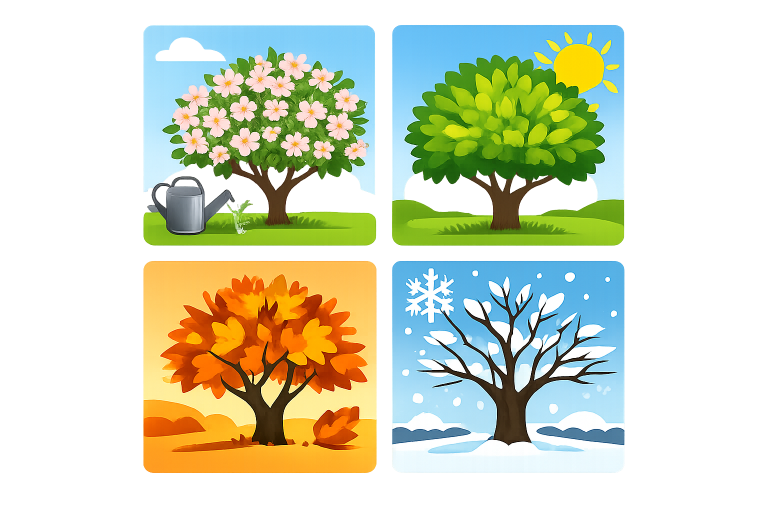
As winter starts to fade, it is time to wake up your garden. Early spring is ideal for testing soil pH and nutrients, giving you an idea of which amendments may be needed to set the stage for the growing season. For perennials and shrubs that flower in summer, late winter or very early spring is the best time to prune. This encourages strong growth and better blooms. Remember, spring-flowering shrubs such as azaleas or lilacs should not be pruned until after their blossoms fade, so you don’t lose next year’s flowers. Perennials that have been established for several years can be divided, spreading their vigor across your garden and filling in bare spots.
Summer Maintenance
Hot, humid summers can stress both plants and gardeners. Proper watering is critical. Aim for deep watering sessions to encourage root growth and drought resilience. Typically, 1 to 1.5 inches of water per week, including rain, keeps most established plants healthy. Always water in the early morning to minimize water loss to evaporation and reduce problems with wet foliage. During the summer, stay vigilant for invasive pests and weeds. Pull unwanted plants before they go to seed and regularly check your garden for signs of disease or insect activity. Removing diseased leaves and avoiding overhead watering can also help prevent fungal outbreaks. The Planting Atlas pest identification guide offers tips for spotting and managing common threats.
Fall Care
Fall is prime time for planting new perennials, bulbs, and shrubs, as the cooler weather and rain help roots become established before the heat of summer returns. If you are looking to boost your lawn’s health, autumn is also ideal for fertilization, focusing efforts on root development rather than top growth. Don’t forget to plant spring bulbs during this period as well, selecting favorites like crocus or tulip for color early next year. Rake and compost leaves, or shred and use them as mulch to enrich the soil and help insulate plant roots.
Winter Considerations
Winter offers a chance for rest, but root activity continues beneath the surface. If there are dry spells and temperatures are above 40 degrees Fahrenheit, give your trees and shrubs a slow watering to prevent winter dehydration. Leaving mulch in place insulates against freeze-thaw cycles and supports beneficial insects. Avoid heavy pruning as new growth triggered by pruning can be easily damaged by frost. Take this quiet time to plan for the upcoming year by reviewing garden successes and exploring new plant varieties suited to your garden’s conditions.
Choosing the Right Plants
Opting for native plants increases your garden’s resilience by working with the local climate and natural predators. Native species support native pollinators and wildlife, reduce your need for pesticides and fertilizers, and can withstand local weather extremes better than many exotic species. The red twig dogwood, for example, provides year-round beauty thanks to its striking winter stems and spring flowers. Many native perennials also offer extended blooms and attract essential pollinators, such as bees and butterflies.
Soil Health and Fertilization
Good soil is the basis of every successful garden. Testing your soil every few years is important, since soil composition changes as plants grow and organic matter breaks down. Most garden plants grow best in soil with a pH between 6.5 and 6.8. Adjust your fertilization plan based on test results, using compost and other organic amendments to improve both fertility and texture. Healthy soils drain better, support more diverse root systems, and are naturally more resistant to pests and diseases.
Watering Strategies
Deep watering supports strong root development and helps plants endure periods of drought. Install a drip irrigation system or use soaker hoses to direct water directly to the root zones and avoid fungal issues on leaves and stems. Adjust your watering schedule based on local rainfall and soil conditions. Regularly monitor soil moisture by checking a few inches below the surface before watering.
Pest and Weed Management
Stay ahead of trouble by regularly inspecting your garden. Small weeds are much easier to remove and cause less disruption when pulled early. Attract beneficial insects by cultivating plant diversity and avoiding broad-spectrum insecticides that harm helpful species as well as pests. Keep up routine maintenance, disposing of diseased plant debris, and rotating annual crops to reduce long-term buildup of pests and diseases.
Gardening in Northern Virginia becomes much easier, more productive, and more visually rewarding when you tune your efforts to the seasons. Pay attention to the small changes in soil, weather, and plant health. Working with nature, and not against it, will create a beautiful landscape for years to come.

