

Table of Contents
- Implement Predictive Maintenance
- Conduct Regular Equipment Audits
- Train Staff on Proper Equipment Handling
- Maintain a Strategic Spare Parts Inventory
- Establish Backup Production Plans
- Leverage Technology for Equipment Monitoring
- Develop a Rapid Response Repair Team
- Prioritize Cybersecurity Measures
- Conclusion
Equipment downtime poses a significant threat to small business operations, often resulting in lost productivity, financial setbacks, and operational chaos. By adopting comprehensive prevention strategies, companies can shield themselves from unnecessary disruption, protect their investments, and maintain a steady workflow. One approach many businesses consider is adding a safety net such as equipment breakdown insurance to help manage potential repair costs related to equipment failure.
Small businesses should invest in proactive measures like predictive maintenance, staff training, and technology to prevent equipment failure, maintain efficiency, and ensure growth. Combined with a backup plan and coverage options, these strategies help avoid major disruptions and support ongoing operations, providing a competitive edge.
Implement Predictive Maintenance
Relying solely on reactive maintenance can dramatically increase equipment downtime and repair costs. Predictive maintenance, which leverages real-time data analytics, enables small businesses to anticipate equipment failures before they occur. With market-ready options such as IoT sensors and machine learning tools, managers can monitor patterns and performance trends that flag potential issues. For example, a vibration sensor might detect abnormal motor activity, giving the opportunity to act before major damage occurs. Studies published by Harvard Business Review highlight that predictive maintenance not only lowers repair bills but also improves asset longevity and safety across industries.
Conduct Regular Equipment Audits
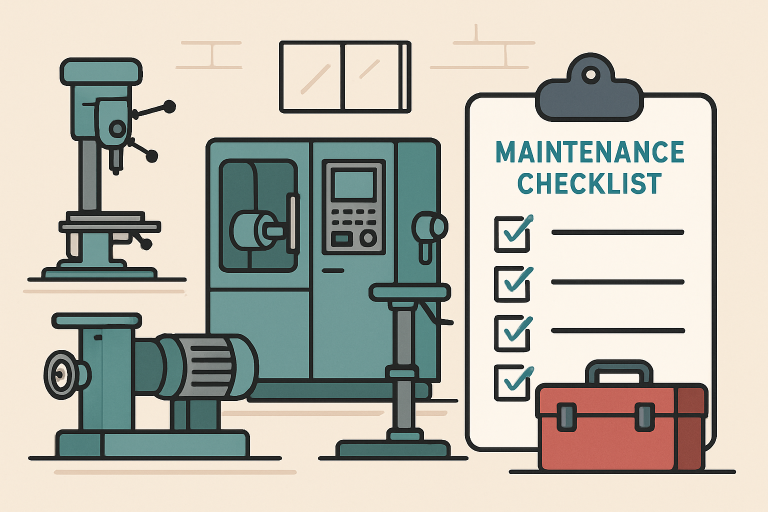
Routine equipment audits are an essential line of defense against guesswork and unexpected breakdowns. These audits involve inspecting all machinery to assess wear and tear, calibrate settings, and replace fatigued components. By scheduling inspections at regular intervals, business owners can identify deteriorating parts before they fail, thereby boosting reliability and operational integrity. Moreover, these practices enhance safety, helping companies remain compliant with regulations and standards.
Train Staff on Proper Equipment Handling
Employees are often the first to interact with critical machinery. As such, ensuring that staff know how to operate and maintain equipment properly is crucial in preventing mishaps and unnecessary wear. Training programs should emphasize not only basic operation but also best practices for inspection, cleaning, and troubleshooting. Assigning “equipment champions” among team members can further encourage a culture of responsibility and attentiveness. This ongoing development, including scheduled refresher courses, reduces the risk of user error and supports safer working environments, as recommended by OSHA.
Maintain a Strategic Spare Parts Inventory
When equipment breaks down, waiting days for replacement parts can be costly and disruptive. Maintaining a well-organized spare parts inventory stocked with high-wear and critical components enables fast repairs and less downtime. Implementing an automated inventory management system ensures that spare parts are tracked, usage histories are maintained, and reorder points are set. Stocking components such as belts, fuses, and electronic modules also streamlines repair processes, making operations more resilient to unexpected breakdowns.
Establish Backup Production Plans
Even with the best maintenance, occasional equipment failure is inevitable. Having a backup production plan in place mitigates its impact. Managers should map out alternative workflows in advance, such as rerouting tasks to different machines or locations. Collaborating with local businesses for reciprocal backup arrangements can provide access to essential machinery during extended repair periods. These contingency plans reduce bottlenecks, maintain customer satisfaction, and provide staff with clear direction during emergencies.
Leverage Technology for Equipment Monitoring
The evolution of digital monitoring tools enables businesses to track equipment health in real time. Integrating technology such as cloud-based dashboards, AI-driven analytics, or mobile applications helps supervisors identify anomalies immediately and schedule timely interventions. These solutions also generate maintenance reports and help track performance metrics, empowering businesses to make data-driven decisions. Proactive monitoring, as discussed by Forbes Tech Council, drastically reduces unexpected downtime and long-term repair expenses.
Develop a Rapid Response Repair Team
When critical failures occur, having access to a rapid response repair team is invaluable. This could be an in-house team or contracted local experts available for emergencies. The repair team should include cross-trained technicians familiar with all equipment types and offer 24/7 support for swift troubleshooting and repairs. Coordination and clear communication protocols are key, ensuring repairs are handled quickly with minimal business interruption.
Prioritize Cybersecurity Measures
As equipment monitoring shifts to digital platforms, the risk of cyberattacks threatens operations and can cause downtime. To reduce these risks, it’s vital to include cybersecurity in management strategies. Key actions include updating firewalls, encrypting data, performing regular vulnerability checks, and implementing strict user controls. These protect connected devices and systems from cyber threats. For small businesses, a proactive management approach that covers staff training, predictive tech, contingency plans, and insurance is essential. It helps prevent downtime, protects performance, and maintains reputation.
Conclusion
Effective equipment management is vital for operational efficiency and resilience. Implementing predictive maintenance, regular audits, staff training, and maintaining spare parts reduce downtime and costs. Using technology for real-time monitoring, backup plans, and quick repair teams strengthen continuity. Prioritizing cybersecurity protects digital systems supporting modern equipment. These strategies foster a proactive maintenance culture, safeguarding assets, safety, and productivity, supporting long-term growth and reliability.
