

A machine can appear to be working perfectly right up until the moment it isn’t. Then production stops, employees are waiting around, an urgent repair needs to be organised and a relatively small equipment problem suddenly becomes an expensive business problem.
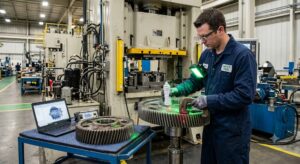
That’s why many industries inspect critical components before obvious failure occurs. Depending on the material and equipment involved, techniques such as mpi testing can help trained technicians identify certain surface and near-surface flaws in ferromagnetic materials without destroying the component being inspected. It’s one example of how businesses can look for potential problems rather than simply waiting for machinery to fail.
Preventive inspection does cost money, but the better question is often what an unexpected failure could cost.
Equipment Failure Costs More Than the Repair
When calculating the cost of a breakdown, it’s easy to focus on the replacement part and the technician’s invoice.
Those may only be the beginning.
Imagine a critical piece of machinery unexpectedly stops operating on a busy production line. The business may also face:
- Lost production time
- Employee downtime
- Overtime once operations restart
- Expedited replacement parts
- Emergency technician call-outs
- Delayed customer orders
- Contractual penalties
- Damage to other equipment
A component worth a few hundred dollars can potentially create a much larger financial problem if its failure stops an entire operation.
That wider cost is why preventive maintenance should be viewed as an operational issue, not simply a maintenance expense.
Small Defects Can Become Bigger Problems
Equipment doesn’t always move directly from “perfect condition” to “completely broken”.
Wear, fatigue, corrosion, cracking and other forms of deterioration can develop over time. Depending on the component and failure mechanism, there may be opportunities to identify deterioration before it reaches a critical stage.
That’s where an appropriate inspection program becomes useful.
Finding a potential problem early may allow a business to repair or replace a component during planned downtime rather than dealing with it after an unexpected breakdown.
Importantly, different inspection techniques are suitable for different materials and types of defects. There isn’t one universal test that can identify every possible problem.
Planned Downtime Is Usually Easier to Manage
Nobody likes stopping production for maintenance.
But there’s a major difference between choosing when equipment stops and having the equipment choose for you.
If an inspection identifies a component that requires attention, maintenance may be scheduled for a quieter period, between shifts or during an existing shutdown. Parts can be ordered beforehand, appropriate technicians can be booked and other maintenance tasks may be completed at the same time.
An unexpected breakdown offers none of those conveniences.
Suddenly, the priority becomes getting operations running again as quickly as possible — and urgency can be expensive.
Inspections Can Help Protect Other Equipment
A failed component doesn’t necessarily fail neatly in isolation.
Depending on the machinery involved, one part breaking may place additional stress on surrounding components or cause secondary damage.
That can turn what might have been a relatively straightforward replacement into a much larger repair.
Regular inspection and maintenance can help businesses identify deterioration before it contributes to wider equipment damage. This is particularly important for critical components where failure could have significant operational or safety consequences.
Safety Matters Alongside Cost
Saving money is important, but equipment reliability can also be a safety issue.
Machinery and structural components operating under significant loads, pressure, movement or repeated stress may create hazards if they fail unexpectedly.
Businesses therefore need to consider both operational and safety consequences when deciding what should be inspected and how frequently.
Inspection schedules shouldn’t simply be based on guesswork. Manufacturer recommendations, regulatory requirements, operating conditions, equipment history and advice from appropriately qualified professionals may all influence the correct approach.
Equipment used heavily or under harsh conditions may also require different attention from machinery operating occasionally in a controlled environment.
Keep Useful Maintenance Records
Inspections become more valuable when they’re supported by good records.
Instead of treating every inspection as an isolated event, keep track of what was examined, what was found and what action was taken.
Useful records might include:
- Inspection dates
- Identified defects or wear
- Repairs and replacements
- Recurring problems
- Equipment operating hours
- Previous breakdowns
- Recommended follow-up work
Over time, these records can help reveal patterns.
If the same component repeatedly deteriorates earlier than expected, for example, simply replacing it again may not address the underlying problem. Operating conditions, alignment, loading or another issue could be contributing.
Prioritise the Equipment That Matters Most
Not every piece of equipment requires the same inspection strategy.
Start by identifying which assets would create the biggest problem if they unexpectedly failed.
Ask practical questions. Would production stop? Is there backup equipment? How quickly could replacement parts arrive? Could failure create a safety hazard? Would other machinery be damaged?
A rarely used, easily replaced tool probably deserves a different maintenance approach from a critical component that could shut down an entire production line.
This risk-based thinking helps businesses direct inspection and maintenance resources where they can provide the greatest value.
Fix Problems on Your Schedule, Not Theirs
Preventive inspection isn’t about replacing every component at the first sign of wear or trying to predict every possible breakdown.
It’s about having better information.
When you understand the condition of important equipment, you have more opportunity to plan maintenance, order parts and address developing problems before they become emergencies.
A scheduled repair may still cost money. But compared with an unexpected breakdown that stops production, damages other equipment and requires urgent repairs, it can be money very well spent.

