

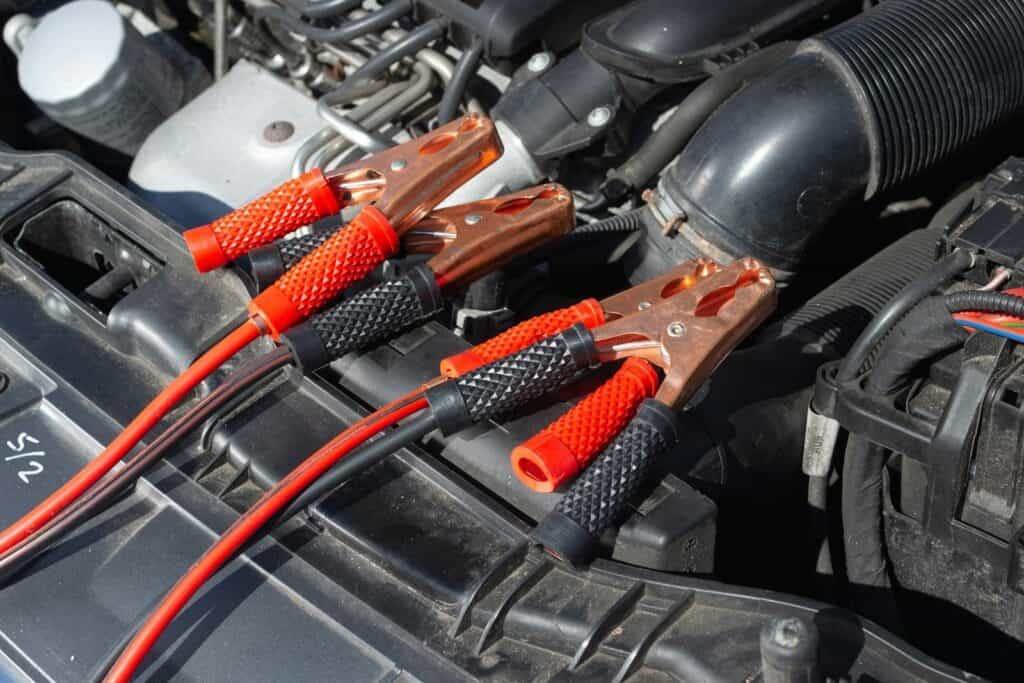
You turn the key and get nothing but a click. The battery is replaced, the car starts perfectly and the problem seems solved. Then, a few days or weeks later, the exact same thing happens. At that point, it’s reasonable to suspect the battery was never the real problem.
A car battery is only one part of a larger electrical system. If a new battery repeatedly loses its charge, the underlying cause could involve the charging system, wiring, an electrical component drawing power while the vehicle is parked or even the way the car is being used. When the cause isn’t obvious, a qualified professional such as a mobile auto electrician sydney can test the electrical system rather than simply replacing the battery again.
Before buying another battery, it helps to understand where that electricity might be going.
The Alternator May Not Be Charging Properly
Once your engine is running, the alternator plays an important role in supplying electrical power and maintaining the battery’s charge.
If the alternator or another part of the charging system isn’t operating correctly, the battery may gradually discharge even though the battery itself is perfectly healthy.
You might notice symptoms such as:
- A battery or charging warning light
- Headlights behaving unusually
- Electrical accessories operating inconsistently
- Difficulty starting the car
- A battery that repeatedly needs charging
However, charging problems aren’t always accompanied by obvious warning signs. Testing the charging system can help determine whether the battery is receiving the charge it should.
Something Could Be Drawing Power While You’re Parked
Modern vehicles contain plenty of electronics that continue using small amounts of electricity after the engine is switched off. Some power consumption is normal.
Problems arise when something draws substantially more current than it should.
This is commonly described as a parasitic draw.
The culprit could be something relatively simple, such as a light remaining on inside the boot or glovebox. In other cases, an electrical module, aftermarket accessory or wiring fault may continue consuming power when it shouldn’t.
The result can be confusing because the car may behave normally when parked but have a flat battery the next morning.
Short Trips Can Be Part of the Problem
Your driving habits can affect battery charge too.
Starting an engine requires a considerable burst of electrical energy. The charging system then needs time to replenish what was used.
If most of your driving consists of very short journeys — perhaps a few minutes to the shops and back — the battery may not always have sufficient opportunity to recover, particularly if you’re also using headlights, heating, air conditioning and other electrical equipment.
Repeated short journeys can therefore contribute to a battery remaining undercharged.
The effect can become more noticeable when a vehicle is driven infrequently or left parked for extended periods.
The New Battery May Not Be the Right Battery
Buying a new battery doesn’t automatically mean buying the correct one.
Vehicles have specific battery requirements, and newer cars may be particularly sensitive to battery type and specifications. Some vehicles with stop-start systems, for example, require batteries designed for those operating conditions.
Depending on the vehicle, replacing a battery may also involve additional procedures or electronic battery management considerations.
Choosing a replacement based purely on physical size or price can create problems.
Checking the vehicle manufacturer’s specifications or using a reputable battery supplier helps ensure the replacement is appropriate for the car.
Loose or Corroded Connections Can Cause Trouble
Sometimes the problem isn’t the battery itself but the connection between the battery and the rest of the vehicle.
Battery terminals need secure electrical contact. Corrosion, loose connections or damaged cables can interfere with starting and charging.
This can occasionally create symptoms that feel exactly like a flat battery.
You turn the key, the car struggles to start and naturally assume the battery has failed again.
A proper electrical diagnosis should therefore include relevant connections and cables rather than focusing only on the battery’s state of charge.
Aftermarket Accessories Deserve Attention
Has anything electrical been added to the car?
Dash cameras, stereos, alarms, GPS trackers and other accessories can all use electricity. When properly installed, they shouldn’t normally cause repeated flat-battery problems.
Poor installation or incorrect configuration, however, may allow an accessory to continue drawing unnecessary power after the vehicle is switched off.
If battery trouble began shortly after installing an electrical accessory, that’s useful information to give whoever diagnoses the problem.
Don’t automatically disconnect or modify unfamiliar wiring yourself. Modern vehicle electrical systems can be complicated, and incorrect changes can create additional faults.
The Battery Itself Could Still Be Faulty
New doesn’t always mean faultless.
A replacement battery can occasionally have a defect, or it may have been stored in poor conditions before installation. Battery performance can also be affected if it has repeatedly been deeply discharged.
That’s why testing matters.
Instead of assuming that a recently purchased battery must be good — or assuming it must be bad because the car won’t start — testing can help separate a battery problem from a charging or electrical fault.
Stop Replacing Parts and Find the Cause
If one old battery fails after years of service, replacing it may be entirely reasonable.
If the replacement repeatedly goes flat, something else deserves investigation.
The solution could be as straightforward as fixing a poor connection or removing an unwanted electrical draw. It could also involve the alternator, charging system or another electrical fault that requires professional diagnosis.
Repeatedly jump-starting the car and hoping the problem disappears doesn’t address the cause.
A flat battery is a symptom. When it keeps happening after the battery has already been replaced, finding out why is usually much cheaper — and far less frustrating — than buying battery number three.

